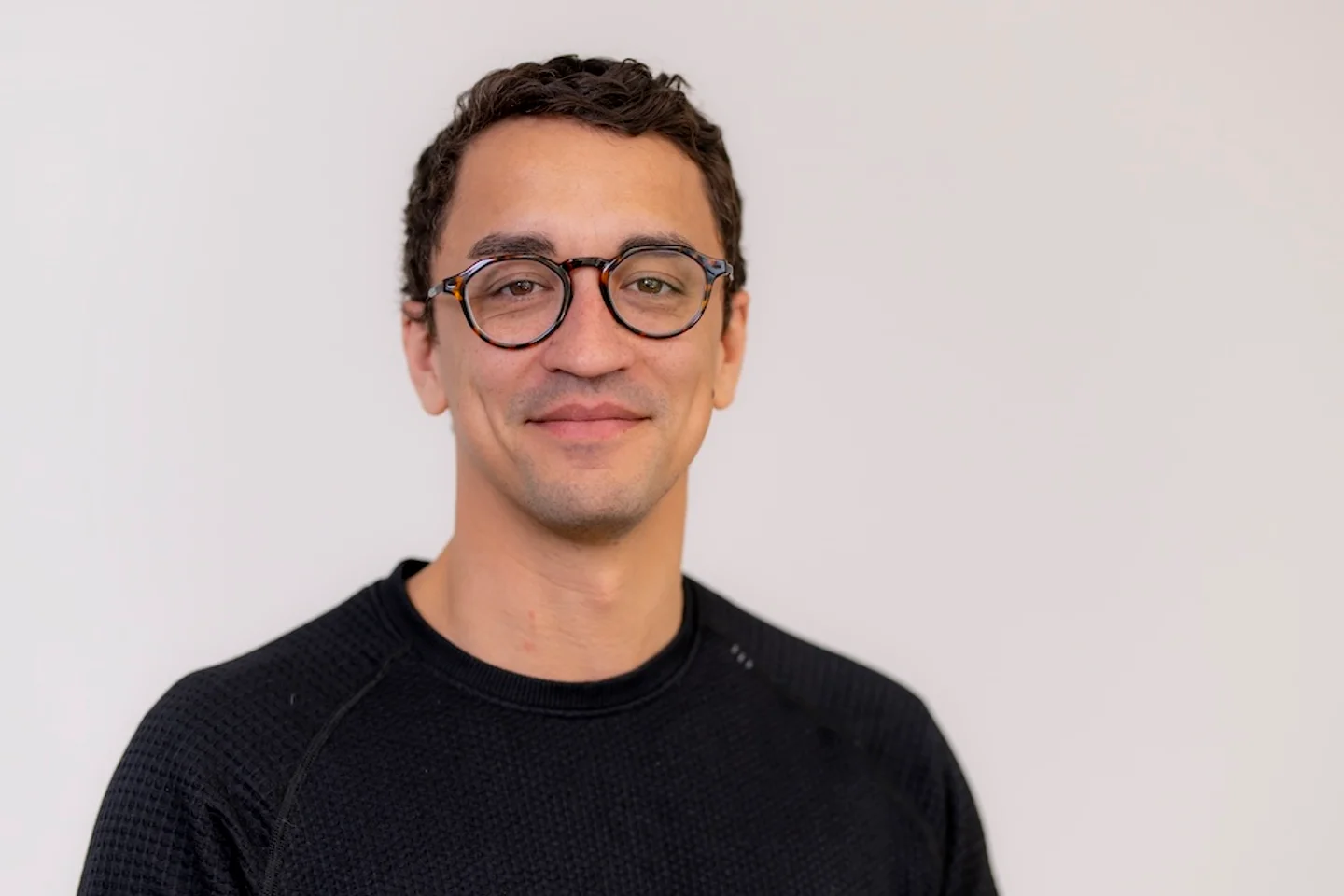
Kahlil Simeon-Rose
Associate Professor, School of Hospitality Business Management, Washington State University
I study public policy and consumer behavior in gambling, including casinos, sports betting, online platforms, and cryptocurrency.
Research Themes
Responsible Gambling
Player protection frameworks, positive play measurement, harm minimization strategies, and responsible gambling program evaluation.
Online & Crypto Gambling
Internet poker markets, blockchain-based wagering, online player behavior, and digital platform regulation.
Casino Economics
Tax policy, revenue impacts, export models, casino proximity effects, and labor market outcomes.
Consumer Behavior
Cognitive distortions, overconfidence, risk perception, skill-based gaming, and gambling beliefs.
Regulatory Policy
Channelization frameworks, government trust, corporate gambling models, and sports betting regulation.
Featured Research
New stablecoin legislation in the U.S. and Europe is making it easier for consumers to gamble at unlicensed offshore sites, undermining regulations designed to protect them. This paper argues that regulators should adopt a channelization framework that measures success by what share of gambling occurs within the licensed market, and proposes tax and product policies that keep regulated operators competitive with offshore alternatives.
Using a choice experiment with 783 online poker players, this study finds that consumers are willing to pay significantly more to play on government-regulated poker sites compared to unregulated ones. Players valued regulation at about $1.83 per hour extra, suggesting that government oversight creates real consumer trust and provides regulated operators a competitive advantage over unlicensed alternatives.
A survey of 643 people finds that those who speculate on meme assets like GameStop or Dogecoin perceive less financial risk, show higher overconfidence in their investment ability, and score higher on measures of gambling problems. The results suggest that meme asset speculation functions psychologically like gambling for many participants, raising questions about whether these products should fall under gambling-related consumer protections.
Analyzing data from over 50,000 Canadians, this study finds that living near more casinos increases both gambling participation and the risk of gambling problems, even as overall problem gambling rates have been declining nationally. The findings suggest that expanding casino tourism should be paired with increased investment in responsible gambling programs to offset localized harm.
About
I am a faculty member in the School of Hospitality Business Management at Washington State University. My research focuses on public policy and consumer behavior in gambling, including casinos, sports, online, and crypto. Previously, I worked as an economist and responsible gambling manager in British Columbia, Canada.
Education
- Ph.D. Hospitality Administration, University of Nevada, Las Vegas (2012)
- M.A. Economics, University of Toronto (2007)
- B.Com Dual specialization, University of British Columbia (2005)